Hey!
This month I’ve been writing about drawing, beginner artist tips, becoming good without talent, and some thoughts on social media—but I haven’t really shared much about the practical side of painting. So today I wanted to give you a handful of things I’ve been noticing during my recent practice sessions. I’ll split these into three groups: people/creatures, tools or food, and environments. These aren’t deep breakdowns, just straight-up tips I keep returning to when painting.
People / Animals
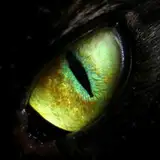
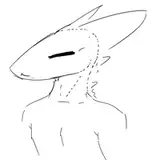
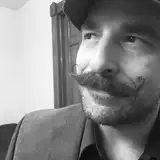
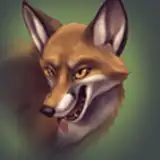
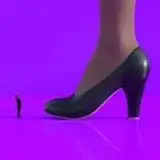
What works best for me is focusing on distinctive silhouettes and big internal shapes first—especially in portraits. If I rush into rendering small details (like folds or veins in a hand), I often flatten the whole form. Strong contrast or unique bone structure helps keep the painting visually interesting, even with few strokes. When I distort or exaggerate the shape (like in my gigantism portrait), I find more room for personality and unexpected outcomes. I usually start with line art when it comes to humans or animals—it helps organise all the inner complexity before thinking about light or texture.

.
Food / Tools / Objects
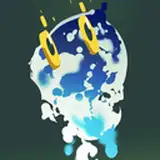
These are the best to practise when you want to finish something quickly and still learn a lot. The simpler the shape (like a can, croissant, or tap), the more you can focus on value relationships and texture decisions. I tend to use hard-edged brushes first to block in light and shadow, and then blend only where necessary. If I overrender, it usually loses character. A lot of my success with food or metal surfaces comes from pushing unexpected colours—greens in metal, purples in shadows, or orange and pink in highlights. Small objects like boxes or dishes can also be fun if you approach them with the right light and mindset.

.
Environments
Landscapes and places can feel overwhelming at first, but I’ve noticed one trick that always helps: decide where your depth is. Whether it's mist between background layers or cool tones in distant trees, painting atmospheric layers is often about soft transitions and controlling saturation. Line work helps me split large shapes early on—sky vs. ground, foreground vs. background—and from there I let value and colour define the rest. I also tend to focus on a single area of contrast and fade the rest, just to avoid visual noise. Nature’s messiness can be simplified with small value shifts, and reference choices here matter more than in any other theme.

If you find these tips useful, every Friday I share insights like this, along with process videos, files, and my brush set, so you can move in the same direction with some solid tools and guidance.
.
Welcome to all new patrons!. Feel free to drop any questions here in the comments, via DMs here on Patreon, or in our Discord group. I'll be more than happy to answer and see your progress. Remember you can now pre-order my book Life in Every Sketch on the 3DTotal shop.
https://rebrand.ly/The-Art-of-RamonN90

For more information, check out our Patreon FAQ: https://ramonn90.myportfolio.com/faq and Patreon Catalogue: https://ramonn90.myportfolio.com/work
Thank you for your support!
Ramon Nuñez
2025-06-24 07:37:21 +0000 UTCДима Бойцов
2025-06-23 18:17:51 +0000 UTC