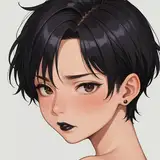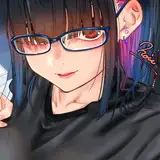
A rough draft for a video guide for buying and selling commissions!
Added 2018-03-23 11:59:44 +0000 UTCA guide for selling and buying commissions
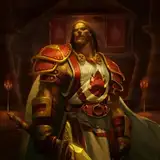
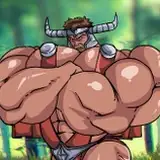
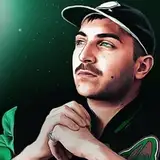
Panning shot of my vanity wall
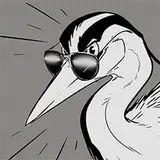
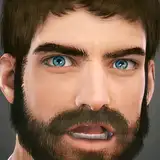
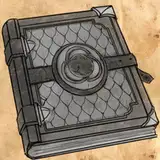
Narration: Ive spent a little less than 1000 dollars on commissions (links to all the artists who drew these in the description always credit your artists people.) Thats a fairly lofty fee for vanity but totally freaking worth it. Ive ALSO made over 1000 in commissions.
* shot of all my old art sprawling out
Narration: Im not just showing you all of this to show off, although I am quite proud of all the paper scribbles Ive collected. See, Ive been buying and selling commissions for a decade now, and Ive seen a ton of confusion all around (especially on tumblr) about pretty much everything regarding the exchange of money and art. From both sides. Id like to illustrate a standard to clarify such a hotly debated topic, one Im intimately familiar with. So here we go. Everything you need to know about commissions.
Client side
Finding the right artist in your price range isnt really as tricky as some might have you believe. Every social media brand has a preverbal army of folks open for paid work. One need only search for key words like Commission in any engine and youll find examples immediately. If you dont follow and artist actively, I highly recommend checking out all of their gallery first so you can get a feel for their style and limitations. Someone who draws mechs a lot will be good at robots. Someone who draws furries a lot will be good at furries. Not everyone can draw everything, and thats totally fine! There is enough variety in artist circles to fill any niche you desire. Most artists looking for work will have a comprehensive example and price sheet. Be sure to look over it thoroughly to see how much you should expect to spend for what type of quality render you want. Typically, the more time that goes in to a piece, the more it will cost. The closer to professional work, the closer to professional price. Be prepared to save up for really extravagant things. Never try and compromise a price with an artist. Its rude and you have to right to question how much they value their time. If you dont think their goods are worth the price, I promise you can find another artist willing to work for cheaper.
When commissioning an artist, you should be wary of long reply times. There is a potential risk as a client to have your money ran off with. But fear not! The best way to evade this is to just check how often they post commissions, how quickly they respond to emails, and how willing they are to work with you. If commissions are being posted more than 6 months apart, that should be a red flag for any potential buyer or if no commission pieces are posted at all. An exception might be for complex animation works. Still, be sure to ALWAYS thoroughly scan over examples.
When contacting an artist, make sure you are polite and easy to work with. Try to be understanding of skill, time and style restraints. Remember, at this point you should have familiarized yourself enough with the artists work to understand what they can and cant do based on what you are paying for. When emailing references, be sure they are easy to interoperate images. If you dont have a ready picture of the subject youd like drawn, try to include real life pictures the artist can draw from. Text descriptions should be short, sweet and to the point. Avoid purple pros please. As lovely as creative writing can be, if your goal is to have something specific, blunt descriptors are best.
During the drawing process, some artists will give you in progress shots to see what you think. Again, be very clear in what corrections youd like so its easy to understand. However, its best if you try your best not to deviate from the pose or subject your originally described, as this can be very frustrating and time consuming for the artist. For example, if you said I want my buff dog man sitting down giving a thumbs up and the artist forgot to draw the subject giving a thumbs up, it would be perfectly acceptable to remind them. However, it would be unreasonable to say actually I dont like him sitting. Can you have him running instead? Youve just wasted both the artist and your own time by not having a concise idea of what you want BEFORE work begins.
On the flip side, some artists do not give in progress shots and will just do what they interpret you asked of them. This is fine as well, but be prepared to accept the artist vision, even if its not your own. Be sure to double check an artists commission information to see how they work and decide for yourself if their methods are ones youd be fine with.
A day, a week, a month or more later, youll have your shiny new vanity piece! Excellent! Now what to do with it? This depends largely on the artist, but a good rule of thumb is to never repost their work, even if you bought it, without permission or credit. Keep their name on hand and be willing to whore it out, tell people about the experience. The best way to help an artist along with giving them money is lip service! Hopefully, your purchase of a commission was a good experience.
THE ARTIST SIDE
Now, this might be a little bit of a controversial thing to say, but I do not believe every artist should offer commissions. Before you brandish your clubs allow me to explain.
As an amateur, youll still be learning the basics anatomy, color theory, siloughets ... drawing folks OCs constantly will not always involve your hands in the right sort of practices to better your skills. Black and white figure studies are boring as shit, but theyll rapidly increase your basic understanding of shape, and no one in their right mind is going to pay you money to draw them. Maybe you have time to fit in both and still do paid work, but most beginners (myself included) wont be able to feed themselves off of their work at least not yet. Usually people will effectively be working two jobs between commissions and a traditional position elsewhere. Hell some people work THREE jobs.
Doing art does take mental and physical energy, and doubly so if you do it for money. You wont always be able to draw things you want to or even like and trust me, this will kill your passion. If you dont need commission income and you are still learning, I honestly advise against doing paid work until you are confident and solidified in your own style. Of course the exception will always be financial strife, but its pivotal to feel passion in at least some facet of your work. Art is, at its core, an expression. If you take paid work before you are ready, its hard to learn to love your own work for what it is and not the attention youll receive from it. Dont let yourself stagnate, even if you dont have the luxury to not take paid work. Remember, even if drawing for someone else, you started this talent for -you-.
With that aside, the HOTTEST TOPIC for artists regarding commissions is PRICE POINTS. There isnt and shouldnt be one universal starting point, since the value of art is entirely subjective. My best advice would be to price yourself what you think your time is worth. By hour, complexity, flat price... Choose whatever method will work best for you and stick to it. I highly recommend looking at a bunch of other folks art, not just because it will help you improve, but because this will give you reference for how you value your own work. Take a look at other commission sheets and consider how much time you spend rendering as well as how much you need to live. The pressure to undercut is real in such a saturated market, but just like fishing, there is always some critter in the pond wholl want your worm if you wriggle it enough.
Although, this pond Id filled with more rods than fish. There are a TON of people who sell their talents, and you will have to compete against folks of vastly differing skill and popularity. This can be discouraging, but remember, networking and social media are your best tools for getting your information out there. Dont be afraid of reposting your information at least once a day and on as many networks as possible. Having a good commission sheet will be pivotal in your success as well. Be sure its easy to understand with simple font and an organized lay out. Include examples of your work for various price brackets and make sure your business email (maybe the same as your paypal) is visible. I likewise recommend making your terms of service front and center so costumers will be more inclined to look at the most important part first. Make to mention any restrictions on things you wont draw. Detailing briefly what a customer should expect when working with you is helpful, especially if you dont like to provide in progress shots or offering to correct mistakes. I also recommend specifying how many times youll be inclined it make alterations, since some clients can really go overboard or might have not had a clear idea of what they wanted in the first place.
Paypal is good for transactions, and Id look in to how to make an invoice and only take payments that way. The site tends to be fairly secure and invoices can be saved if you ever need to print them. There are a lot of horror stories about people running off with art and not paying for it, and unfortunately, this is a reality all artists should be wary of. You can go about when someone pays in different ways that are most comfortable for you, such as having a client pay full after a sketch is presented, or having them pay a clump some for each time you progress your render. But you should NEVER take payment AFTER the full work is done. People will run off with your art for free, sadly. Another thing to be wary of is people trying to talk your price down. This could indicate they wont pay you for work at all. Id suggest not taking work from these sort of people, both for your own sanity and wallet.
Similarly, you should NEVER DRAW ART FOR FREE unless you want to. Listen, I know requests are popular, but you should never feel obligated, and opening them up warps peoples expectations of what art is even worth. If you like someones original character, surely ask then if you it can draw it for -fun-. But dont open yourself up to the shit show that is people demanding you work for free.
Assuming youve been paid, however, youll be ready to start work once youve gotten an email full of references. I recommend always keeping pictures and descriptions up at all times. Its easy to forget demands or features of a character that isnt yours. If you dont have a second monitor, printing things out will work. If thats not an option, tabbing between will also due, although admittedly isnt GREAT. Always having the prompt up will help you not have to make many corrections, hopefully, streamlining your process.
When you are finished, its courtesy to email the full file to the client so they have a high res copy to print out or use as a desk top if theyd like. Making a commissioner download an image off of deviant art or tumblr will bunk up the resolution, and thats not nice customer side.
So is a business email required to take commissions online? ABSOLUTELY. Its easier to keep things organized or to have and this will automatically give you lists and dates. Do not take references over social media! Its so easy to loose track of all the information that way, and again, you wont be able to say a non-gimped image. Speaking of gimps... ALWAYS SAVE YOUR ART AS A PNG. JPEGs are low res and will blur your art! PNG is just as universal and about the same file size!
Another small tip: Try to pace yourself. Only open finite slots at once as many as you think you can handle. Having a backlog of commissions a ton of people long can be overwhelming for you and frustrating for people waiting. When taking commissions, you still need to take care of your own needs and mental health. Take breaks, stretch your your hands and wrists every time before you draw, and dont neglect personal projects.
Even if you dont get many bites at first, just keep drawing and have a good time doing it.