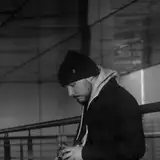
Risked my life working with these wild animals. Worth it.
Some people say that you should only share your best work, but here I disagree.
(Edit. on my website however, I keep only best pictures and I am sending my website portfolio to clients, not my IG)
Especially in a place where we're supposed to learn something. There are some things that I did good here, and some stuff went wrong.
Not every photo will be a total blast in your photo shoot, but because of practice and trying new stuff that you've never done before you might create something great. Like depth of field!
Shooting with a wide aperture will limit your focus range and only a small portion of a image will be sharp. If one object or area is in a different length from your camera than the other, there's a huge chance one of them will be OOF! (i.e. out of focus)
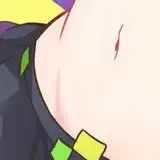
For example trying to set up focus on your victim's eye and also wanting to have this victim's "nippular area" sharp - would require higher aperture, with better light or cranked up ISO if possible.
However, the bottom line is...
Does your photo have to be technically perfect to be memorable? No.
But what matters to me (as you get better) is to commit less and less mistakes by accident, and you learn how to create accidents on purpose to create better vibe. It's like you're playing an instrument. First you have to learn how to play, learn the rules - so you can break them.
[PL]
Ryzykowałem życie pracując z tymi dzikimi zwierzętami. Było warto.
Niektórzy mówią, że powinno się pokazywać tylko swoje najlepsze prace, ale tutaj się nie zgadzam. Szczególnie, że jest to miejsce gdzie mamy się czegoś nauczyć. (Edit. na stronie www trzymam jednak te najlepsze i to strona www jest wysyłana do klientów, a nie Instagram).
Niektóre rzeczy zrobiłem tutaj dobrze, a niektóre sprawy zawaliłem.
Przez to, że robi się dużo zdjęć i próbuje czegoś nowego, dzięki praktyce możesz się dużo nauczyć i wyciągnąć wnioski.
Jak np. głębia ostrości. Tutaj używając otwartej przysłony, prawdopodobnie coś koło 1.4 - 1.8 uzyskałem ostrość tylko na drobnym elemencie ciała. Wszystko to co znajduje się dalej, lub bliżej danego punku (odległość od aparatu) traciło na ostrości. Np. łapiąc ostrość na oku, masz już rozmazaną strefę około-sutkową, powiedzmy. Lub na odwrót.
Tak czy siak, podsumowując.
Czy Twoje zdjęcie musi być idealne, żeby miało większą wartość i zapadało w pamięć? Nie.
Ważne jest jednak, by popełniać coraz mniej błędów i świadomie uzyskiwać taki efekt na jakim Ci zależy i mieć ostre to co chcesz mieć ostre, żeby tworzyć lepszy vibe. Trzeba się nauczyć co i jak działa, poznać zasady i reguły tworzenia zdjęć, żeby później móc świadomie te zasady i reguły łamać.